Site Inspection Checklist
A site safety inspection checklist helps teams inspect work areas, access routes, PPE, housekeeping, emergency equipment, fire safety, electrical systems, ladders, scaffolds, machinery, vehicle routes, hazardous materials, environmental conditions, and site security.
This checklist is useful for construction sites, industrial facilities, maintenance teams, property managers, contractors, and safety supervisors who need to identify hazards before work begins or during routine inspections. It helps detect blocked exits, unsafe equipment, trip hazards, missing PPE, fire risks, exposed wiring, poor housekeeping, uncontrolled traffic areas, spills, and other safety issues.
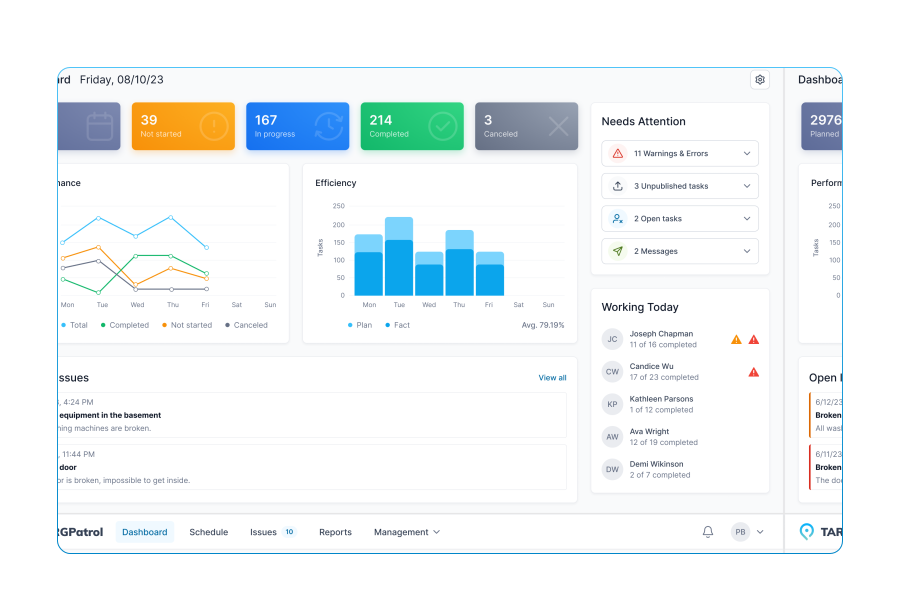
With TARGPatrol, site safety inspections can be completed in a mobile app with photos, comments, issue locations, risk levels, corrective actions, responsible persons, and final sign-off. This creates a clear digital record of site conditions, reported hazards, temporary controls, and completed follow-up actions.
Site / property name
Site address
Number of workers on site
Photo of site overview
Site is safe for work
No immediate hazards observed
Unsafe areas are restricted
Access routes are clear
Emergency access routes are clear
Site rules are posted and visible
Required safety signs are visible
Workers are aware of current site hazards
Visitors are registered or escorted
General safety notes
Workers are wearing required PPE
Hard hats are worn where required
Safety footwear is worn where required
High-visibility clothing is worn where required
Eye and face protection is used where required
Hearing protection is used where required
Respiratory protection is used where required
Gloves are suitable for the task
Fall protection is used where required
PPE issue notes
Photo of PPE issue
Walkways are clear of debris
Work areas are clean and organized
No trip hazards observed
No open holes or unprotected edges observed
Floor openings are covered or guarded
Materials are stored safely
Tools are stored properly when not in use
Waste is removed from work areas
Spills are cleaned or contained
Housekeeping issue location
Photo of housekeeping issue
Emergency exits are clear
Evacuation routes are posted and accessible
Emergency assembly area is identified
First aid kit is available and stocked
Emergency contact information is posted
Fire extinguishers are accessible
Fire extinguisher inspection tags are current
Fire alarm / emergency alert system is available, if applicable
Emergency equipment issue notes
Photo of emergency equipment
Fire lanes are clear
No combustible materials stored near ignition sources
Flammable materials are stored correctly
Gas cylinders are secured upright, if present
Hot work area is controlled, if applicable
Hot work permit is available, if required
No smoking rules are followed
Fire safety issue location
Photo of fire safety issue
Electrical panels are accessible
Electrical panels are closed and labeled
No exposed wiring observed
Extension cords are in safe condition
Cords do not create trip hazards
Electrical tools appear undamaged
Temporary power is protected from damage
Wet areas are kept away from electrical equipment
Electrical issue notes
Photo of electrical issue
Ladders are in good condition
Ladders are used on stable surfaces
Ladders are secured where required
Scaffolds are inspected before use, if present
Scaffold platforms are complete and secure
Guardrails are installed where required
Work at height area is controlled
Fall protection anchor points are suitable, if used
Height work issue notes
Photo of height work issue
Equipment is operated by authorized workers
Equipment appears in safe working condition
Machine guards are in place where required
Moving parts are protected
Equipment inspection records are available, if required
Defective equipment is tagged out
Equipment parking areas are clear
Equipment issue location
Photo of equipment issue
Vehicle routes are clearly defined
Pedestrian routes are separated from vehicle routes where possible
Traffic signs and markings are visible
Loading and unloading areas are controlled
Reversing vehicles use alarms or spotters where required
Speed limits are followed
Parking areas are organized and safe
Traffic safety issue notes
Photo of traffic safety issue
Excavations are protected, if present
Excavation edges are clearly marked
Trenches are protected from collapse where required
Safe access is provided for excavations, if applicable
Open pits or holes are barricaded
Excavation issue location
Photo of excavation issue
Hazardous materials are labeled
Safety data sheets are available where required
Chemicals are stored correctly
Chemical containers are closed and undamaged
Spill kit is available where needed
No uncontrolled leaks or spills observed
Hazardous material issue notes
Photo of hazardous material issue
Noise, dust, and fumes are controlled
Ventilation is adequate in enclosed areas
Dust control measures are used where required
Weather-related hazards are controlled
Heat stress / cold stress risks are controlled
Lighting is adequate for safe work
Environmental condition notes
Photo of environmental issue
Security fencing or site boundaries are intact
Unauthorized access points are secured
Restricted areas are marked
Security cameras or guards are in place, if applicable
No signs of vandalism or forced entry observed
Security issue notes
Photo of security issue
Safety issue found
Issue location
Issue description
Risk level: low / medium / high / critical
Immediate corrective action required
Work must be stopped in affected area
Responsible person
Target completion date
Work order / incident number
Photo of safety issue
Temporary control applied
Hazard area barricaded
Warning sign posted
Unsafe equipment removed from use
Supervisor / site manager notified
Follow-up inspection required
Photo after temporary control
Inspection completed
Site passed inspection
Final inspection result: safe / restricted / work stopped / pending correction
Final comments












Mobile Work Order Management Software for Business Maintenance