Events
 2/25/2026
Event Management Safety Checklist
Safety is the foundation of any successful event. The Event Safety Checklist brings all critical risk controls into one clear workflow — permits and insurance, site and crowd safety, fire protection, medical readiness, security, electrical and technical setups, food and alcohol service, weather planning, accessibility, and emergency response. It helps organizers identify and address hazards before doors open, not while guests are already on site.
The checklist is designed for real-world coordination between organizers, venue teams, security, vendors, and contractors. Each item is specific and verifiable, ensuring exits are clear, equipment is secure, staff are briefed, and emergency procedures are understood. This reduces last-minute confusion and supports consistent decision-making under pressure.
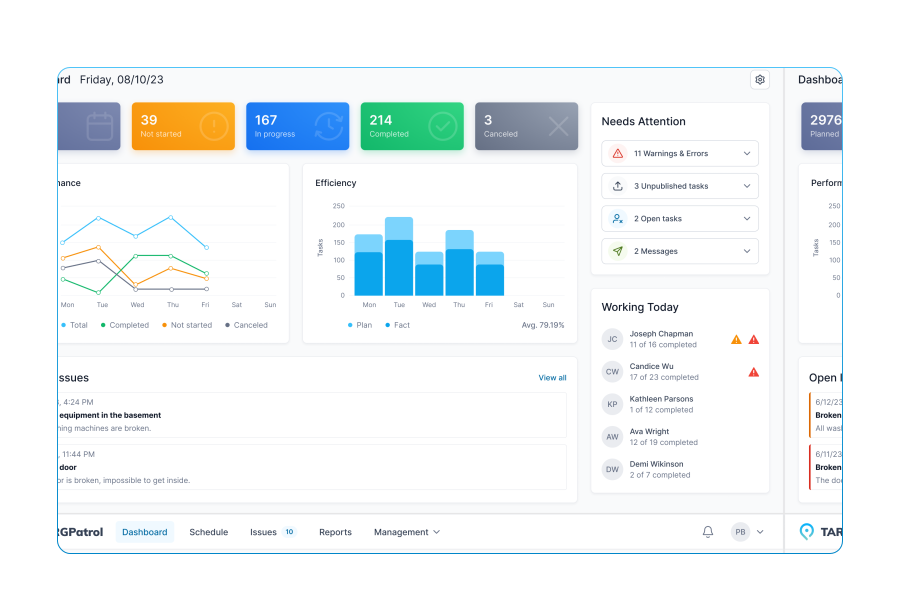
Use the checklist as a printable PDF for pre-event walkthroughs and safety meetings, or run it in a mobile checklist app to assign responsibilities, track completion in real time, and attach photos or site maps as evidence. Digital records make it easy to demonstrate due diligence to venues, authorities, insurers, and clients.
After the event, the same checklist supports incident review and continuous improvement. By logging issues, near misses, and corrective actions, you create a safety baseline that strengthens future events. The result is better risk control, smoother operations, and a safer experience for guests, staff, and partners.

Event name and date

Venue/location name
Expected attendance (max)

Event type (conference/concert/private/outdoor)
Safety officer / responsible person assigned
Required event permits obtained

Public liability insurance active
Vendor/contractor insurance certificates collected
Noise, alcohol, street-use permits approved (if applicable)
Upload permits/insurance documents

Venue capacity compliant with fire code
Emergency exits clearly marked and unobstructed
Exit lighting operational
Crowd flow and entry/exit routes planned
Barriers/fencing installed where required
Slip/trip hazards identified and mitigated
Stairs/ramps secure with handrails
Floor condition safe (dry, even, non-slip)
Fire extinguishers present and accessible (count)
Extinguisher inspection tags in date
Fire alarm system operational
Open flames/pyrotechnics approved and controlled
Smoking areas designated and managed
Flammable materials stored safely
First-aid station identified and stocked
Certified first-aid staff on site (count)
AED available and accessible
Emergency medical access routes clear
Nearest hospital/EMS contact info posted
Security staff scheduled (count)
Bag checks/screening required and planned
VIP/backstage access controlled
Credentialing/badges issued where needed
Lost child/person procedure defined
Weather forecast reviewed
Heat/cold mitigation plan in place
Shade, water stations, or heaters provided
Severe weather evacuation/shelter plan defined
Ground stability checked (rain/mud/wind risk)
Temporary power installations inspected
Cables covered or taped to prevent trips
Generators grounded and ventilated
AV and lighting rigs secured
GFCI/RCD protection used where required
Licensed caterers/vendors approved
Food handling and hygiene standards confirmed
Allergen information displayed
Alcohol service compliance checked
Water supply potable and accessible
Staff briefing completed before event
Emergency procedures explained to staff/vendors
High-risk tasks assigned to trained personnel only
PPE provided where required
Emergency response plan documented
Evacuation routes communicated to staff
Public address system available for announcements
Incident reporting process defined
Upload emergency plan / site map
Restrooms adequate for crowd size
Handwashing/sanitizer stations available
Waste and recycling bins placed and serviced
Cleaning staff scheduled during event
Accessible entrances and routes provided
Accessible restrooms available
Reserved seating or viewing areas arranged
Service animal policy communicated
Pre-opening safety walkthrough completed
All critical issues resolved before doors open
Ongoing safety monitoring assigned
Incidents or near misses recorded (count)
Incident descriptions and actions taken
Post-event safety debrief completed




















Mobile Work Order Management Software for Business Maintenance