Events
 2/25/2026
Starting an Event Planning Business Checklist
Starting an event planning business is as much about structure as creativity. The Starting an Event Planning Business Checklist brings every foundational step into one clear path — from defining your niche and pricing to legal setup, insurance, branding, vendor networks, sales workflows, and event-day execution. It turns a complex launch into a sequence of concrete actions, so nothing critical is missed early on.
The checklist is designed for both solo planners and small teams. It helps you formalize processes that clients expect from day one: clear contracts and payment terms, standardized timelines and budgets, reliable vendor shortlists, and contingency plans for event-day risks. Each item answers a practical question: Is this ready to sell? Is this legally covered? Can I deliver consistently?
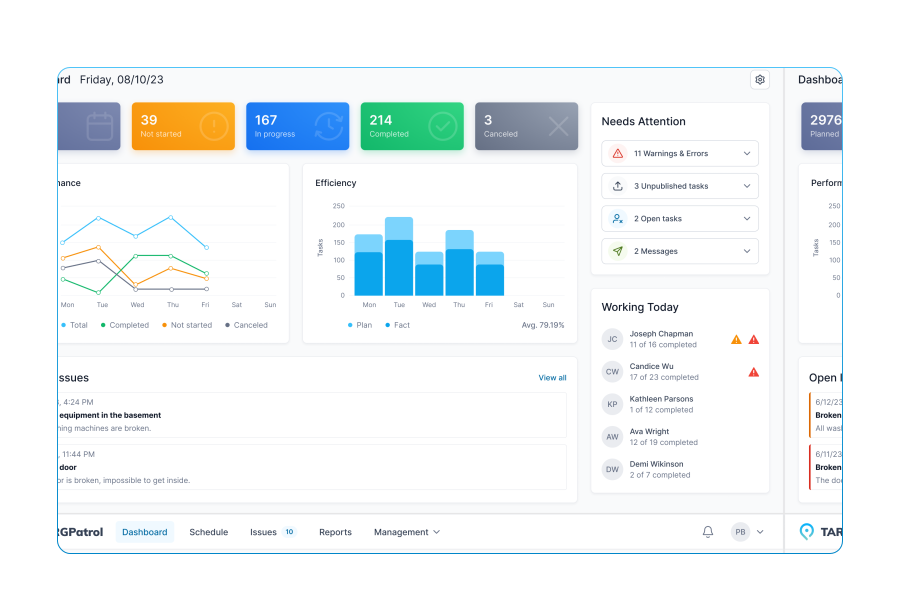
You can use it as a free printable PDF during planning sessions, or run it in a checklist app to track progress, assign tasks, and attach notes or documents (contracts, quotes, branding files). This makes it easy to move from idea to first paid event with visibility over what’s done and what still needs work.
Over time, the checklist becomes your operating baseline. As you grow — adding staff, new event types, or higher-budget clients — you can expand and reuse it to keep quality, profitability, and client experience consistent. Instead of building everything from scratch each time, you launch your business with a system that supports long-term growth.

Business idea defined (weddings, corporate, private, niche)

Target market and ideal client profile defined
Unique value proposition articulated
Competitive research completed

Pricing model defined (flat fee / % / packages)
Initial service packages outlined
Business name selected and available
Business registered (LLC/sole proprietor/etc.)
Tax ID / VAT number obtained
Local permits/licenses required and obtained
Business bank account opened
Client contract template drafted/reviewed
Terms & conditions and cancellation policy defined
Privacy policy and data handling rules prepared
General liability insurance purchased
Professional liability (E&O) insurance purchased
Vendor insurance requirements defined
Risk assessment checklist created for events
Startup budget estimated (tools, marketing, insurance)

Monthly operating costs calculated
Accounting method selected (software or accountant)
Invoice and payment workflow set up
Deposit and payment schedule defined
Expense tracking process in place
Logo and brand colors selected
Website or landing page created
Portfolio section prepared (mock or real events)
Social media profiles created
Business email and phone number set up
Marketing channels selected (SEO, ads, referrals)
Client intake form created
Event planning software or checklist app selected
Standard event planning checklist created
Timeline and milestone templates prepared
Budget tracking template created
Vendor comparison and quote template created
On-site event day checklist prepared
Venue partners identified
Caterers shortlisted
Decor/florist vendors identified
AV/lighting vendors identified
Entertainment/DJ/band contacts collected
Rental suppliers (tables, tents, chairs) listed
Vendor contact list documented
Lead inquiry response script prepared
Consultation workflow defined
Proposal template created
Contract signing process defined
Client onboarding checklist created
Change request process defined
Event timeline template tested
Run-of-show template prepared
Staffing roles defined (planner, assistant, coordinator)
On-site communication plan created
Emergency & contingency plan template created
Post-event breakdown checklist prepared
Freelancers/assistants sourced
Contracts for contractors prepared
Training checklist for event staff created
Dress code and conduct guidelines defined
Pre-event planning checklist finalized
Day-of coordination checklist finalized
Client feedback form prepared
Post-event review process defined
Testimonials and referrals process planned
First marketing campaign scheduled
Soft launch with test clients completed
Processes reviewed and refined
Scalability plan outlined (packages, staff, tools)
Founder name
Business launch date
Overall readiness status (Ready / In progress)



















Mobile Work Order Management Software for Business Maintenance