Manufacturing
 3/19/2026
Workplace Safety Inspection Checklist
Workplace Inspection Checklist is a routine inspection tool designed to keep the working environment safe, organized, and operationally controlled. Instead of focusing on one narrow risk area, it gives supervisors and inspectors a broad view of everyday workplace conditions — from cleanliness, access routes, and storage practices to equipment safety, emergency readiness, and employee compliance with site rules. It is used to catch visible hazards early, standardize inspections, and maintain a consistent baseline of safety across the facility.
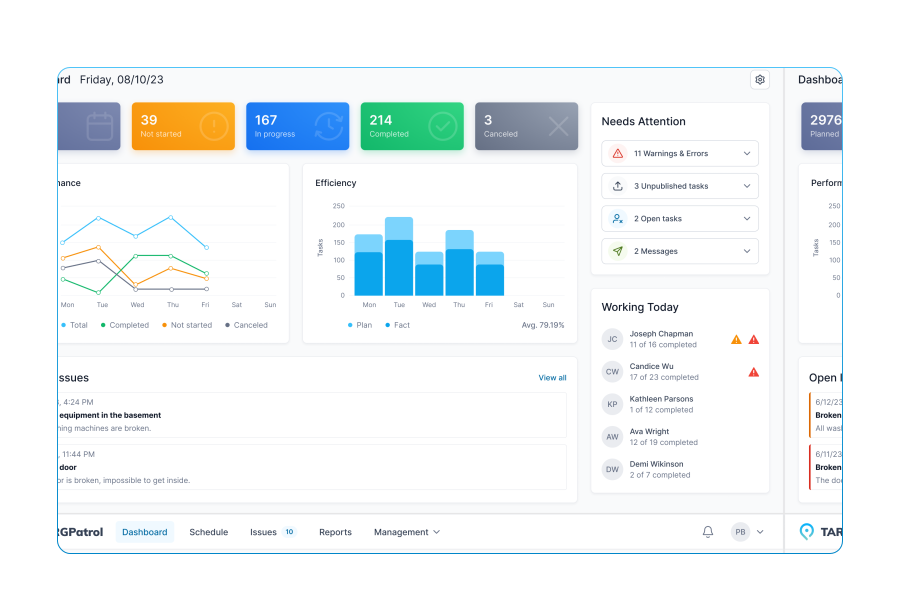
In TARGPatrol, the checklist turns a regular walkthrough into a documented digital process. The inspector completes each point on a mobile device, records non-conformities, adds comments, captures photo evidence, and flags issues that require corrective action. This makes inspections more objective and traceable, reduces gaps in reporting, and helps managers see not only isolated violations, but also repeated patterns across teams, departments, or sites.
Such a checklist is useful for offices, warehouses, retail locations, hotels, workshops, and mixed-use operational facilities where daily discipline and safe conditions matter. A digital workplace inspection checklist also creates a reliable inspection log for internal control, management reporting, and follow-up reviews. By replacing informal checks with a structured process, companies improve accountability, react faster to problems, and build a more stable safety culture in day-to-day operations.

General comments before inspection

Work area is clean and orderly

Floors are clean and free of slip hazards
Walkways and aisles are unobstructed
Workstations are organized and safe
Lighting is sufficient for the tasks performed
Ventilation is adequate in the area
Temperature is acceptable for safe work
Waste is removed regularly
Unsafe housekeeping issues identified
Photo of general workplace condition

Emergency exits are clearly marked
Emergency exits are accessible and not blocked
Evacuation routes are posted and visible
Emergency lighting is functional where required
Fire extinguishers are present in required locations
Fire extinguishers are accessible
Fire extinguishers are within inspection date
First aid kit is available and accessible
Emergency contact information is posted
Emergency readiness issues identified
Photo of exit / emergency equipment
Mandatory safety signs are posted
Hazard warnings are visible where required
Work instructions are available to employees
Area-specific safety procedures are available
Inspection / maintenance records are available where needed
Missing or outdated documents found
Photo of signage / documentation
Equipment appears in safe working condition
Tools are in good condition
Damaged tools or equipment have been removed from use
Machine guards are in place where required
Emergency stop controls are accessible where required
Equipment inspection labels / tags are current
Unauthorized modifications to equipment not observed
Unsafe equipment or tool condition identified
Number of defective tools / equipment found

Photo of equipment / tool issue
Electrical panels are accessible and labeled
Electrical panels are closed and secured
No exposed wires or damaged cables observed
Sockets, plugs, and cords are in safe condition
Extension cords are used properly
Temporary wiring is controlled
Electrical hazards identified
Photo of electrical issue
Required PPE is defined for the area
Employees wear required PPE correctly
PPE is available in sufficient quantity
PPE is in good condition
Eye protection used where required
Hand protection used where required
Hearing protection used where required
Protective footwear used where required
High-visibility clothing used where required
PPE non-compliance observed
Number of employees without proper PPE
Photo of PPE compliance / issue
Chemical containers are labeled correctly
Safety Data Sheets are available where required
Chemicals are stored safely
Incompatible substances are separated
Spill kit is available where required
Hazardous waste is stored correctly
Chemical safety issue identified
Photo of chemical storage / issue
Manual handling risks are controlled
Heavy items are stored safely
Mechanical aids are available where needed
Employees use safe lifting practices
Workstations are ergonomically arranged
Ergonomic or lifting issue identified
Photo of ergonomic / manual handling issue
Storage areas are orderly and stable
Shelving / racking appears undamaged
Items are stacked safely
Heavy items are stored on lower levels where appropriate
Storage aisles are clear
Falling object risks are controlled
Storage safety issue identified
Photo of storage condition / issue
Employees appear aware of key safety rules
Unsafe behavior was not observed during inspection
Employees know how to report hazards
Supervisors enforce workplace safety rules
Safety training records appear current
Behavioral or training gap identified
Number of employees interviewed
Photo / evidence of unsafe behavior if applicable
Previous inspection issues were corrected
Open corrective actions are being tracked
Repeat issue identified during this inspection
Critical hazard requiring immediate action found
Description of the most serious issue
Number of new corrective actions required
Responsible person for corrective actions
Deadline for corrective actions
Additional inspection comments
Photo of critical / repeat issue
Overall workplace condition
Area safe for continued operation
Follow-up inspection required
Follow-up inspection date























Mobile Work Order Management Software for Business Maintenance