Manufacturing
 10/1/2025
Vehicle Maintenance Checklist
A good vehicle inspection checklist turns guesswork into a clear, repeatable routine that anyone can follow — whether you’re a daily commuter, a family driver, or a fleet supervisor. The process starts before the engine turns over: confirm required documents are on board, scan the dash for warning lights, and verify that seat belts latch and retract properly. Visibility is next: headlights, indicators, brake and reverse lights must work; the windshield should be clean with effective wipers/washer; mirrors and any cameras should be aligned; and the defog/defrost functions should keep glass clear in bad weather.
Road-readiness continues with tires and wheels, because they’re your only contact with the road. Check tread depth and pressures (cold), look for cuts or bulges, and confirm wheel nuts and locks are present. Under the hood, a quick look at fluids (engine oil, coolant, brake, and, where applicable, transmission and power steering) prevents many early failures. Belts and hoses should be free of cracks or leaks, battery terminals tight and clean, and there should be no fresh spots under the car indicating leaks.
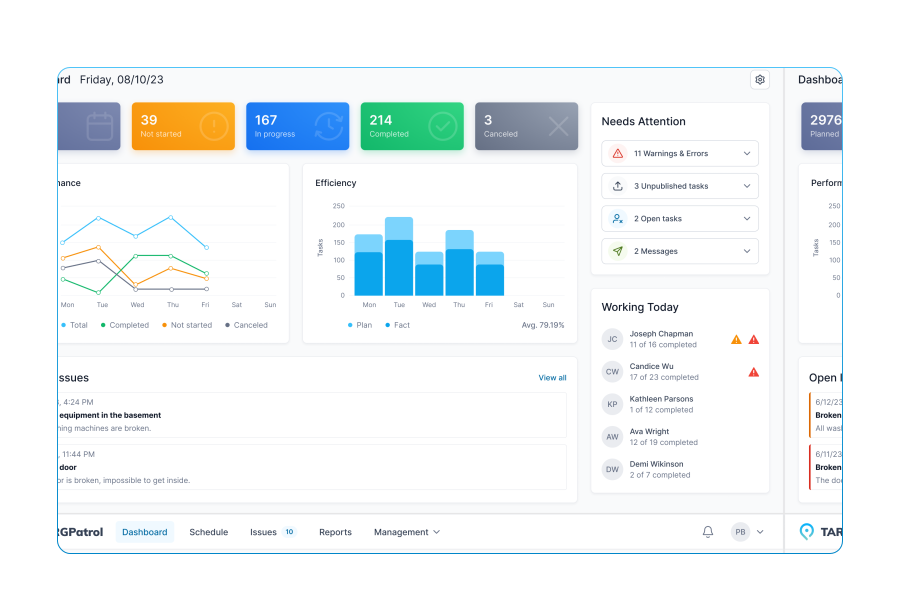
Choose the format that fits your routine. Keep a printable PDF in the glovebox for quick checks, or use a mobile version to time-stamp inspections, attach photos of issues, and automatically flag missing or expired items for replacement. For fleets, assign ownership (driver or shift lead), set a weekly/monthly cadence for deep checks, and review the checklist quarterly to reflect new regulations, vehicle changes, or service intervals.
Used consistently, this checklist shortens pre-trip time, catches small problems before they become expensive repairs, and creates a clean audit trail for safety teams, insurers, and clients. The payoff is fewer roadside surprises, better uptime, and confidence that every trip starts safe.

Registration, insurance, and inspection papers present

Owner’s manual and service records available
Odometer reading

Next service due at (mileage/date)

Body panels/glass free of major damage or cracks
Headlights (low/high), DRLs, turn signals, brake & reverse lights
Hazard lights operational
Windshield wipers & washer spray effective, blades condition OK
Windshield free of cracks in driver’s view
Mirrors/cameras clean and aligned
Upload exterior walk-around photos

Tread depth
Tire pressures cold
Uneven wear, cuts, bulges, or exposed cords
Wheel nuts secure, no missing caps/locks
Spare tire or repair kit serviceable
Engine oil level/condition (color/odor/metal)
Coolant level/overflow tank within marks
Brake fluid level within marks
Power steering fluid level (if applicable)
Transmission fluid level/condition (if applicable)
Belts and hoses: no cracks, frays, leaks, or soft spots
Battery terminals clean/tight, no corrosion
Measured battery voltage (engine off)
Visible leaks under vehicle after park
Brake pedal travel/feel normal, no warning light
Steering free play within spec, no pull or vibration
Shocks/struts: no leaks, bounce test passes
CV boots/joints and ball joints intact
Engine starts cleanly, idle smooth (no misfire/knock)
Acceleration responsive, no hesitation
Transmission shifts smoothly (auto/manual)
Exhaust secure, no excessive noise, fumes, or visible smoke
Heater/AC performance adequate, defog/defrost works
Cabin air filter condition (if accessible)
Seat belts latch/retract
First-aid kit stocked, expiry dates valid
Fire extinguisher charged and mounted (if carried)
Jack, lug wrench, wheel lock key present
Power bank on board
Straight-line braking stable, no pull/pulsation
No abnormal noises from suspension/steering on bumps/turns
Transmission/engine temps normal, no new warnings
List defects or parts needing replacement
Upload photos of issues (leaks, tire wear, warning lights)























Mobile Work Order Management Software for Business Maintenance