Manufacturing
 10/22/2025
Heavy Equipment Safety Inspection Checklist
A Heavy Equipment Inspection Checklist helps operators, mechanics, and EHS teams turn daily pre-use checks into a clear, repeatable routine. Instead of relying on memory, it lays out simple, verifiable items across identification, cab safety, visibility, alarms, fluids, powertrain, hydraulics, undercarriage/tires, attachments, and functional tests. Each line is easy to confirm — from “seatbelt latches” and “backup alarm sounds” to “no hydraulic leaks” and “tire/track condition within limits” — so critical issues aren’t missed.
For construction sites, quarries, and plants, this checklist supports compliance with internal policies and local regulations, reduces unplanned downtime, and lowers incident risk. Used daily, it keeps equipment ready to work: defects are caught early, documentation is consistent, and unsafe machines are flagged out of service before failure.
Supervisors get a clean audit trail. The checklist records who inspected what and when, photos of defects, measured values, and assigned corrective actions — invaluable for audits, insurance reviews, and incident investigations.
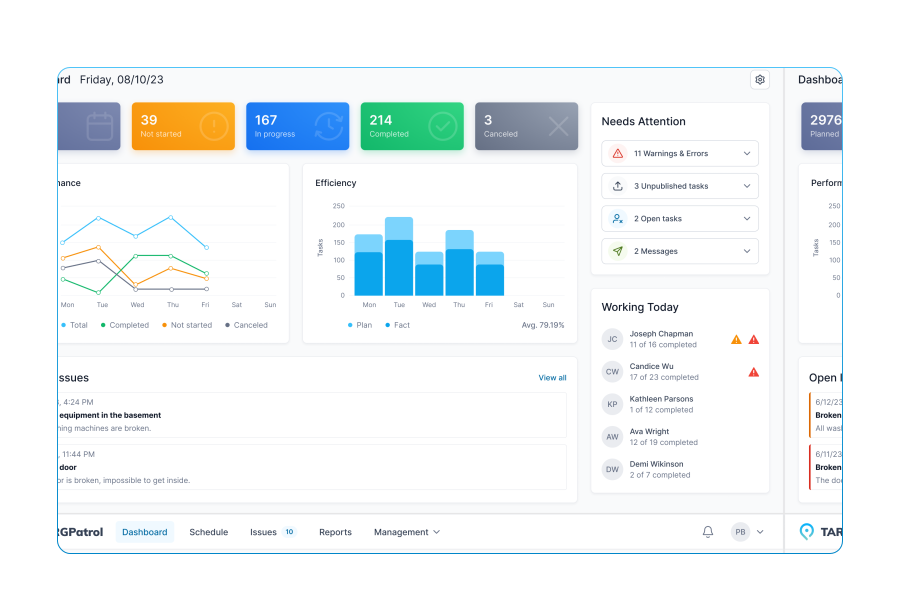
The template works both as a printable PDF and in the TARGPatrol mobile app. Teams can attach photos, enter readings, and add comments in real time. Mixed answer types — [Flag], [Number], [Media], [Text] — make it easy to capture conditions, measurable data (hour meter, pressures, tread depth), visual evidence, and context in one place. Regular use improves equipment reliability, protects operators, and keeps projects on schedule.

Asset ID/serial number matches records

Equipment type/attachment configuration verified
Hour meter reading (h)

Daily log from previous shift reviewed/closed
Walk-around inspection completed
Wheel chocks / parking area secure
Fire extinguisher present, charged, accessible
First-aid/spill kit on board (if required)
Safety decals/warning labels legible
ROPS/FOPS structure intact (no cracks/bent)
Seat/seatbelt condition and latch
Cab steps/handrails clean and secure
Windows/mirrors clean, no cracks
Wipers/washer fluid function
Horn and backup alarm working
Lights (head/taillights, work lights, beacons)
Camera/360°/proximity sensors (if equipped)
HVAC/defogger operates
Operator display shows no active faults
Emergency stop tested
Neutral start/interlock safety devices
Battery terminals clean/tight
Engine oil level/condition
Coolant level, overflow bottle
Coolant freeze point or refractometer reading
Hydraulic oil level/condition
Transmission fluid level/condition (if applicable)
Water separator drained (if present)
Belts/hoses: wear, cracks, clamps
Visible leaks (oil/fuel/coolant/hydraulic)
Grease points serviced this shift (count)
Air filter indicator (restriction) within range
Radiator/charge-air cooler fins clean
Tires: damage/cuts
Tracks: tension correct
Sprockets/rollers/idlers wear
Steering articulation/pivot pins condition
Service brake test (low speed)
Parking brake holds on incline
Hoses/fittings at boom/arm/aux lines
Slew ring/turntable play (visual/feel)
Quick coupler locks engage fully
Lift/tilt functions smooth, no abnormal noises
Travel/track/drive functions smooth
Housekeeping: cab floor free of loose items
Spill/leak cleanup performed if needed
Minor defects logged (count)
Critical defects requiring OOS (count)
Corrective actions & responsible owner

Overall readiness (In Service / Limited / OOS)
Photo: four-sides equipment overview

Photo: any defects/leaks found
Additional comments / site-specific notes






















Mobile Work Order Management Software for Business Maintenance