Manufacturing
 10/22/2025
Fire Apparatus Inspection Checklist
A Fire Equipment Inspection Checklist (Manufacturing) helps EHS managers and supervisors turn daily and weekly fire-safety checks into a clear, repeatable process. Instead of relying on memory, it lays out concise tasks across extinguishers, hose reels and hydrants, sprinkler systems, fire pumps, alarms and detectors, emergency lighting, egress routes, hot-work controls, and storage of flammables. Each item is simple to verify — from “extinguisher gauge in green” to “sprinkler control valves sealed open” — so nothing critical is missed.
For plants and warehouses, this checklist supports compliance with internal standards and local fire codes, reduces the risk of citations during inspections, and minimizes downtime from preventable incidents. It builds a consistent routine that keeps equipment ready, exit routes clear, and high-hazard areas (hot work, dust collection, charging stations) under control.
Supervisors gain an instant audit trail. The checklist documents what was checked, when, by whom, and what defects were found — plus assigned corrective actions and closure notes. That record can be essential during audits, insurance reviews, or incident investigations.
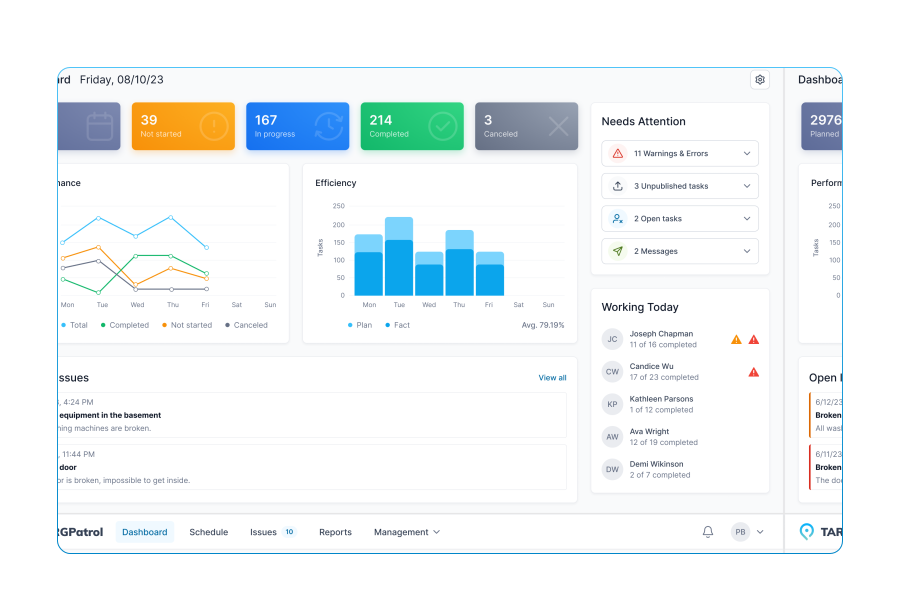
The template works both as a printable PDF for clipboards and in the TARGPatrol mobile app, where teams can capture photos, log readings, and add comments in real time. Mixed answer types — [Flag], [Number], [Media], [Text] — make it easy to record conditions, measurements, and evidence in one place. Used regularly, the checklist keeps equipment serviceable, improves response readiness, and helps your facility stay inspection-ready every day.

Current fire safety plan available at point of use

Emergency contacts posted and up to date
Equipment inventory list current
Outstanding defects from last inspection closed
Inspection date/time recorded

Portable extinguishers present per layout
Extinguisher type matches hazard (A/B/C/D/K)
Extinguisher access and visibility OK
Extinguisher pin/seal/hose/nozzle intact
Extinguisher gauge in green or weight in spec
Extinguisher count installed vs. plan

Photo: representative extinguishers (front/gauge/tag)

Hose reels/standpipes accessible, cabinet intact
Hose/nozzle condition acceptable
Static pressure reading (psi/bar)
Photo: hose reel/cabinet
Hydrant static pressure (psi/bar)
Photo: hydrant and gauge
Fire pump auto-start status normal (if installed)
Pump suction/discharge readings (psi/bar)
Controller status normal, alarms clear
Photo: pump controller display
Fire alarm control panel normal (no trouble)
Manual call points accessible/intact
Audible/visual devices functional (spot test)
Alarm transmission to monitoring verified
Battery/PSU test result (V)
Detectors (smoke/heat/flame) clean, unobstructed
Special suppression system cylinders in spec
Special system nozzles aligned, pulls accessible
Last service date / next due
Emergency lighting operational, exit signs lit
Means of egress clear, doors self-close/latch
Fire doors labeled, seals/closers intact
No exposed wiring/overloaded outlets
Flammables in approved cans/cabinets, quantities within limits
Grounding/bonding used during dispensing
Housekeeping: no hazardous dust accumulation
Dust collector differential pressure (inWC/Pa)
Gas cylinders upright, capped, secured, leaks checked
Battery charging areas ventilated/signed
First-aid/trauma kits sealed, spill kits stocked
Fire blankets available and accessible
Staff trained in extinguisher use (last date)
Any system impairments today (sprinkler/alarm/pump)
Summary of issues and corrective actions























Mobile Work Order Management Software for Business Maintenance